As the media landscape continues to shift at a breakneck pace, filmmakers are looking to other ways to generate income outside of the classic studio system. Digital platforms have become more creator-friendly. According to the platform itself, YouTube has paid over $100 billion to creators since 2021. So if you’ve ever wondered how to monetize YouTube videos, look no further. We’re going to break it down step-by-step.
YouTube Monetization Requirements
First, let’s define YouTube monetization
To make money from YouTube, your channel must be accepted into the YouTube Partner Program. But before we dive into specific YouTube monetization criteria, let’s start with the basics of monetization and eligibility to receive income from YouTube.
YouTube Monetization DefinitionWhat is YouTube monetization?YouTube monetization is the act of submitting your channel to the YouTube Partner Program so you can start earning money from the platform’s ad revenue as well as income streams from viewers via memberships, product placements, and more. |
What makes channel eligible for YouTube monetization?
- Meeting subscriber and public watch hour metrics
- Residence in a country where the YouTube Partner Program is available
- No active Community Guideline strikes on your channel
- 2-Step Verification activated on your Google account
- Advanced features access on YouTube
- An active Adsense for YouTube account linked to your channel
How to Monetize YouTube Videos
What is the YouTube Partner Program?
Before we dig into what are the requirements to be monetized on YouTube, it’s important to understand the The YouTube Partner Program (YPP). The YPP is the platform’s division that provides creators with resources, support teams, and most importantly, monetization pathways for their channels. Launched early 20 years ago, YouTube states that over 3 million people are making money from their YouTube channels.
To learn about the YouTube Partner Program in 60-seconds, watch the video below:

What is the YouTube Partner Program all about? YouTube Monetization Requirements
The YouTube monetization requirements 2025 criteria has shifted a bit for 2026. The YPP allows for creators to receive a share of the revenue from the ads that play before, during, and after their videos. If accepted into the program, creators will receive 55% of the ad revenue on regular videos, 45% of ad revenue from Shorts, as well a cut from YouTube Premium subscriptions. However, if the content uses a song from the YouTube Audio Library, the ad revenue is split between the creator and relevant music partners for the song’s use. YouTube’s rates trump other platforms. One of YouTube’s most successful creators, Jimmy Donaldson aka Mr. Beast told Business Insider, “My videos cost millions to make and even if they got a billion views on X it wouldn't fund a fraction of it.”
Yet in order to receive any earnings from your videos, you must create an AdSense account. Adsense is YouTube’s mandatory platform for payouts from your content, while tracking, calculating, and processing the payments. Once you’re accepted into the YPP, you can track how much you make on your channel’s monetization dashboard.
As channels grow, creators often approach their videos with the same production mindset used in filmmaking. From planning scripts, organizing shoots, and managing uploads as a consistent production pipeline.
Trusted by over 1M creatives
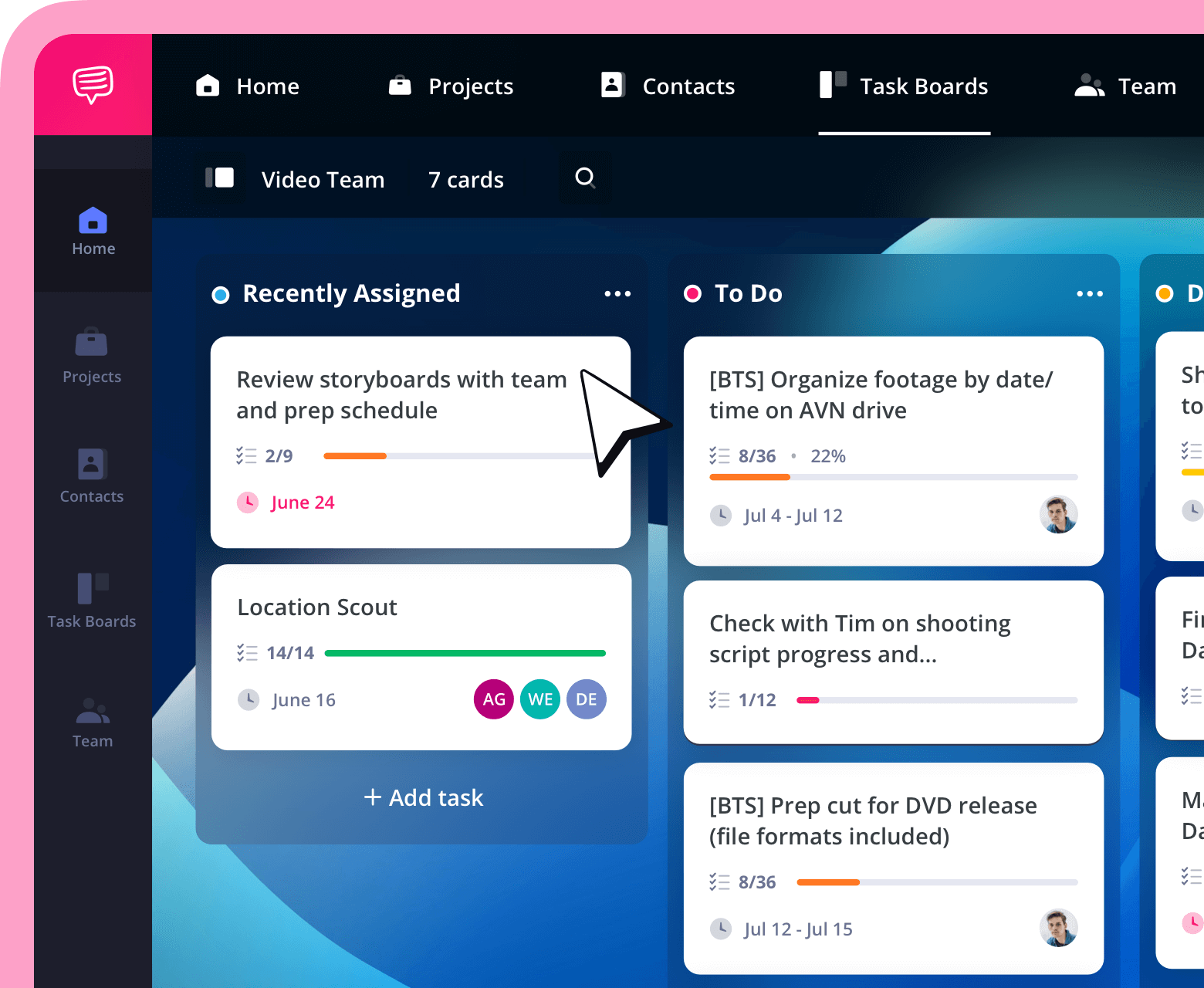
Task boards for production teams
Organize production tasks in boards, assign owners, and keep the team aligned.
Requirement for Youtube Monetization
What are the current YouTube monetization requirements?
Although ad revenue is the primary way to earn money from YouTube, there are other ways to monetize your account too. However, your account must meet certain YouTube monetization criteria in order to be accepted into the YouTube Partner Program.
Here’s a full list of the YouTube Partner Program requirements:
- Residence in a country where the YouTube Partner Program is available
- No active Community Guideline strikes on your channel
- 2-Step Verification activated on your Google account
- Advanced features access on YouTube
- An active Adsense for YouTube account linked to your channel

YouTube Monetization Requirements
Full monetization requirements
It’s one of the most common questions asked, “How many subscribers to monetize YouTube?” In order to be eligible for ad revenue from your videos, a necessary criteria for YouTube monetization is 1,000 subscribers to your channel. Along with subscriber count, you also need 4,000 valid public watch hours over the past 12 months, or 10 million valid Shorts views in the past 90 days.
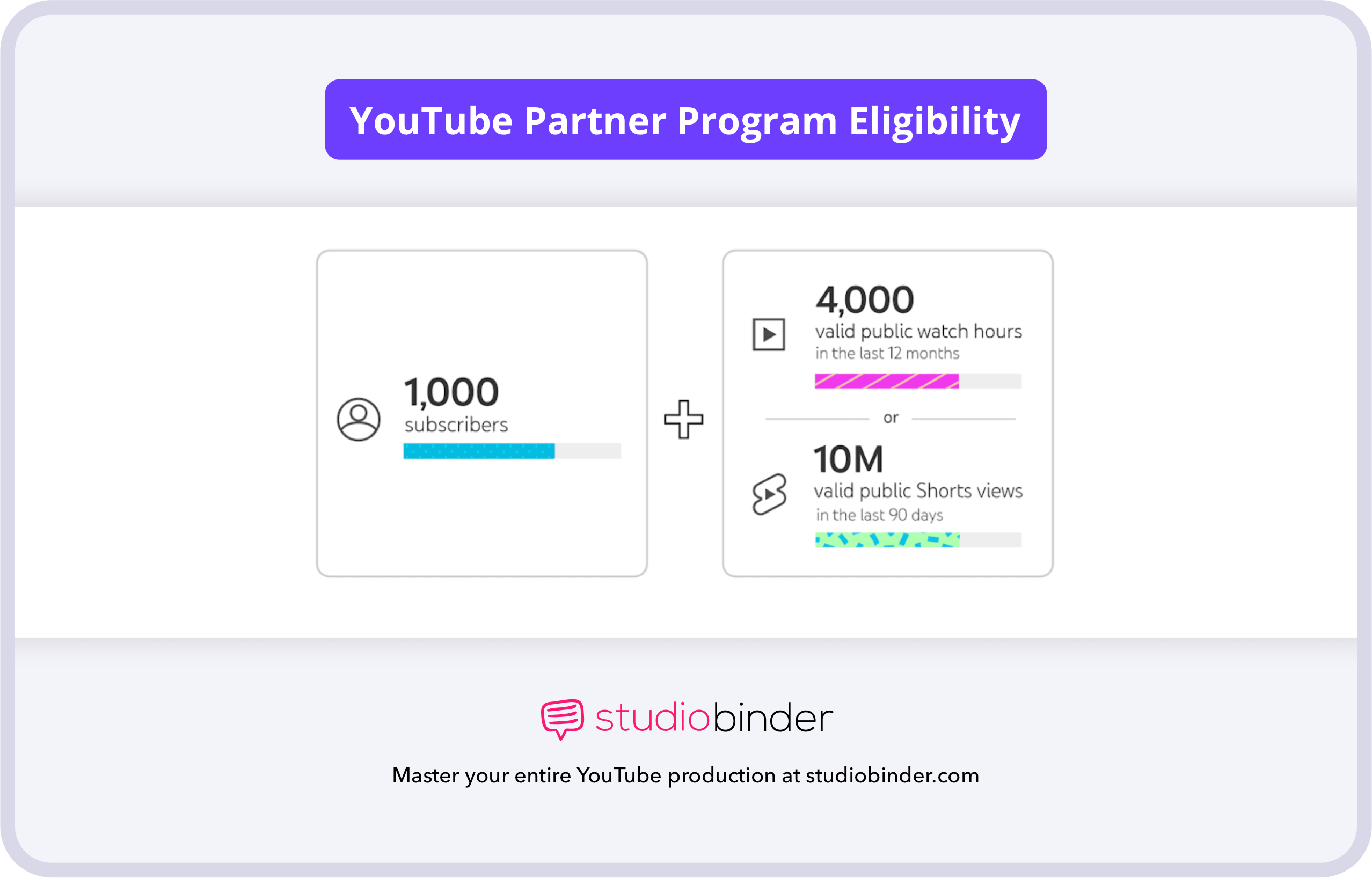
YouTube Partner Program Eligibility
Expanded early access requirements
Don’t have 1,000 subscribers or enough watch hours yet? Don’t fret, you can still receive monetization on Youtube and join the YouTube Partner Program via the Expanded Early Access option. For this, you need to have 500 subscribers and 3 valid public video uploads in the last 90 days. YouTube also requires 3,ooo valid public watch hours in the past 12 months or 3 million valid public Shorts views in the last 90 days.
Although you won’t be eligible for ad revenue, this tier of the YPP allows you to generate income in alternative features on the platform, including channel memberships, super chats, YouTube Shopping and more.
To learn even more about YouTube monetization requirements (less than 5-minutes), just watch the video below:

How to get monetized on YouTube? YouTube Monetization Requirements
If you’re having trouble keeping the metrics and requirements straight, check out this table comparing the two tiers with the YPP.
Feature | Expanded Early Access | Full Monetization |
|---|---|---|
Eligibility Requirements | 500 subscribers, 3 public uploads (90 days), and either 3,000 watch hours (12 months) or 3M Shorts views (90 days). | 1,000 subscribers and either 4,000 watch hours (12 months) or 10M Shorts views (90 days). |
Ad Revenue on Videos | Not available | Yes (long-form & Shorts) |
YouTube Premium Revenue Share | No | Yes |
Channel Memberships | Yes | Yes |
Super Chat & Super Stickers | Yes | Yes |
Super Thanks | Yes | Yes |
Shopping (Merch & Affiliate Links) | Yes | Yes |
Creator Music / Shorts Monetization Pool | No | Yes |
Revenue Split (Ads) | N/A | 55% creator / 45% YouTube |
Best For | Early-stage creators building income without ads | Established creators earning from ads + fan support |
Primary Income Source | Fan funding & commerce | Ads + fan funding + commerce |
Related Posts
How to Apply for YouTube Monetization
Breaking down each requirement
Given all the different ways you can monetize your YouTube account, The YouTube Partner Program is definitely worth exploring. Yet as attainable as entry into the YPP may seem, your application can be rejected if you fail to meet any YouTube monetization requirements in 2026. We’re going break down and explain each requirement for YouTube monetization below:
Subscriber requirement explained
As a YouTube user, you can choose whether the channels you subscribe to are shown publicly, or kept private. The good news for creators is that both public and private subscriptions to your channel count toward monetization and channel growth metrics. However, you can’t identify a private or hidden subscriber unless they interact via comment or live chat first.
Watch hour requirement explained
You may have noticed that in order to achieve the metrics needed for YouTube monetization, you must have a certain amount of “valid public watch hours”. This means that your video or Short was set to public and appeared in the YouTube’s feed.
How many watch hours for YouTube monetization, you ask? Well, if you’re aiming for full monetization, you need 4,000 valid public watch hours on your public, long-form videos. The following do not count toward “valid public watch hours”:
- Private videos
- Unlisted videos
- Deleted videos
- Ad campaigns
- YouTube Shorts
- Livestreams that are unlisted, deleted, or not converted to VOD (video on demand)
Here’s an example of how a channel could reach the required threshold of 4,000 valid public watch hours with multiple videos over the course of a year:
Video | Views | Avg View Duration | Watch Minutes | Watch Hours |
|---|---|---|---|---|
Video A | 20,000 | 5 min | 100,000 | 1,667 |
Video B | 15,000 | 6 min | 90,000 | 1,500 |
Video C | 10,000 | 5 min | 50,000 | 833 |
(100,000 + 90,000 + 50,000) ÷ 60 = 4,000 hours
To calculate how much you’ve made, you need to find your RPM, or Revenue Per Mille (1,000 views). This reflects your actual earnings, not just ad rates, rather than your CPM, which is what advertisers pay per 1,000 ad impressions.
For even more info on the monetization requirements, watch the video below:

How to get YouTube monetized easy and fast? YouTube Monetization Requirements
Shorts views requirements explained
Similar limitations apply to qualification for YouTube Shorts monetization requirements. The view counts are tallied from public Shorts that appear in YouTube’s feed (including YouTube shorts feed). The following do not count toward “valid public views”
- Private Shorts videos
- Unlisted Shorts videos
- Deleted Shorts videos
- Ad campaigns
- Non-original Shorts, such as unedited clips from others' films or TV shows, reuploading other creators' content from YouTube or another platform or compilations with no original content added
- Artificial or fake views of Shorts, such as from automated click or scroll bots
To qualify for monetization via Shorts views, YouTube uses a rolling 90-day window which is updated daily and not a fixed quarter or section of time. The YouTube Shorts views required for monetization is more similar to a moving ruler, something to keep in mind when you submit your channel to YPP.
Policy and adsense requirements
Qualifying for the YouTube Partner Program goes beyond subscribers and views. If the majority of your videos include direct, explicit references to these inappropriate topics, you may be denied entry into the YPP. This type of content is also not seen as “advertiser-friendly”, therefore you risk having your channel and certain videos de-monetized by Adsense. Meaning you will no longer receive ad revenue share from such videos since it compromises brand safety.
Check out this deep dive into advertiser-friendly content below:

YouTube Monetization Requirements
YouTube Shorts Monetization
YouTube monetization policies to follow
The requirements to monetize Youtube channels go further than merely being “advertising friendly”. Videos containing the following may result in a rejected application or your existing channel and video being de-monetized by the platform:
You must ensure that your long-form videos and Shorts comply with their community guidelines. Generally, your channel may be flagged if your videos
- Spam and deceptive practices
- Sensitive content around sex, profanity, and mental health
- Violent or dangerous content
- Promoting regulated goods that can’t be sold on the platform
- Misinformation
- Copyrighted material that isn’t protected by the provisions of Educational, Documentary, Scientific, and Artistic context.
- Reusing copyrighted material without adding any original content
- “Low effort” and undisclosed AI-generated content
Related Posts
Monetization for YouTube
How to apply for YouTube monetization
Your channel meets all of the Youtube eligibility requirements, from subscribers and watch times/views to channel compliance. That means it’s time to apply to the YouTube Partner Program. Take note, you must apply to the YPP, your channel won’t automatically be enrolled upon reaching the required metrics.
Here’s a step-by-step breakdown of how to submit your application:
- Go to YouTube Studio: (found on the right side of the home screen, once you click on your account’s profile picture.)
- Navigate to the Earn tab (found on the left side of the YouTube studio screen.0
- Accept the YPP terms
- Connect your AdSense account
- Wait for Review (typically 30 days)
Check if your application was submitted successfully by seeing if your status indicator shows “In Progress” within the Get Review step in the creator studio.
YouTube Monetization Criteria
How long monetization review takes
Typically, it takes 30-days for the YouTube Partner Program to accept or reject your application for monetization eligibility. Your application is reviewed both by automated systems and human staffers, therefore, sometimes the decision process can take longer due to higher-than-usual application volumes, system issues, or a channel’s need for multiple reviews.
If your application is rejected, don’t fret! You can appeal the YPP’s decision within 21 days of the platform notifying you. Or, you can apply again after 30 days. After your second application to the YPP, there’s a 90-day waiting period to apply again for monetization.

How long does it take to get approved for YouTube monetization? | YouTube Monetization Requirements
Just remember, consistency also plays a major role in YouTube growth. Many successful channels maintain a weekly publishing schedule to build momentum with both viewers and the algorithm.
Production planning tools like StudioBinder can help creators organize video ideas, track progress, and manage a consistent upload calendar.
Trusted by over 1M creatives
Task boards for production teams
Organize production tasks in boards, assign owners, and keep the team aligned.
Monetization for YouTube
What are ways to make money on YouTube?
YouTube has earned its representation as a creator-friendly platform because of the several avenues for income it offers channels. In fact, according to internal data, of the YouTube Partner Program channels that earned 5 figures or more (USD) on YouTube in 2024, over 50% earned revenue from sources other than ads and YouTube Premium revenue share.
1. Ad revenue
This is the most traditional and long-standing method of income from YouTube. Creators that are accepted into the YouTube Partner Program receive 55% of the revenue from the ads that play before, during, and/or after their videos.
2. Channel memberships
This feature enables viewers and subscribers to pay a monthly fee for special member-only perks offered on your channel. Channel memberships are available to creators both in the YPP full monetization tier as well as those with lower subscriber and views counts in the Expanded Early Access program.
3. Super chats, stickers and super thanks
Fans and subscribers can buy highlighted messages and images during live chats on your channel, or thank your channel directly to show their gratitude for your content. These features are available to creators both in the YPP full monetization tier as well as those with lower subscriber and views counts in the Expanded Early Access program.
4. YouTube Shorts revenue
If your channel is fully monetized, you can receive revenue from your Shorts on YouTube similar to the long-form videos on your channel.
The revenue share structure for Shorts is different from long-form videos on YouTube via a Creator Pool.
5. Shopping
YouTube has options to plug in your official merchandise on the platform and have them showcased on video pages. This feature is available to everyone in the YPP, both fully monetized accounts and those in the Expanded Early Access program.
This video breaks down the various ways to earn a living on YouTube. Take a look below:

YouTube monetization explained | YouTube Monetization Requirements
How to plan and script a YouTube video
Get monetized faster with an AV script
One of the biggest factors in reaching YouTube monetization requirements is keeping viewers watching. The longer people stay engaged with your videos, the faster you can build the watch hours needed for the YouTube Partner Program.
This is why many successful creators treat their videos like structured productions, planning the hook, introduction, main segments, and call to action before filming. Using a scripting tool can help organize these ideas and maintain strong pacing throughout the video.
StudioBinder’s AV script format allows creators to outline their video structure, pair narration with visuals, and estimate runtime before recording. By mapping out each section of a video in advance, creators can build clearer storytelling and improve audience retention, both of which contribute to reaching monetization thresholds faster.
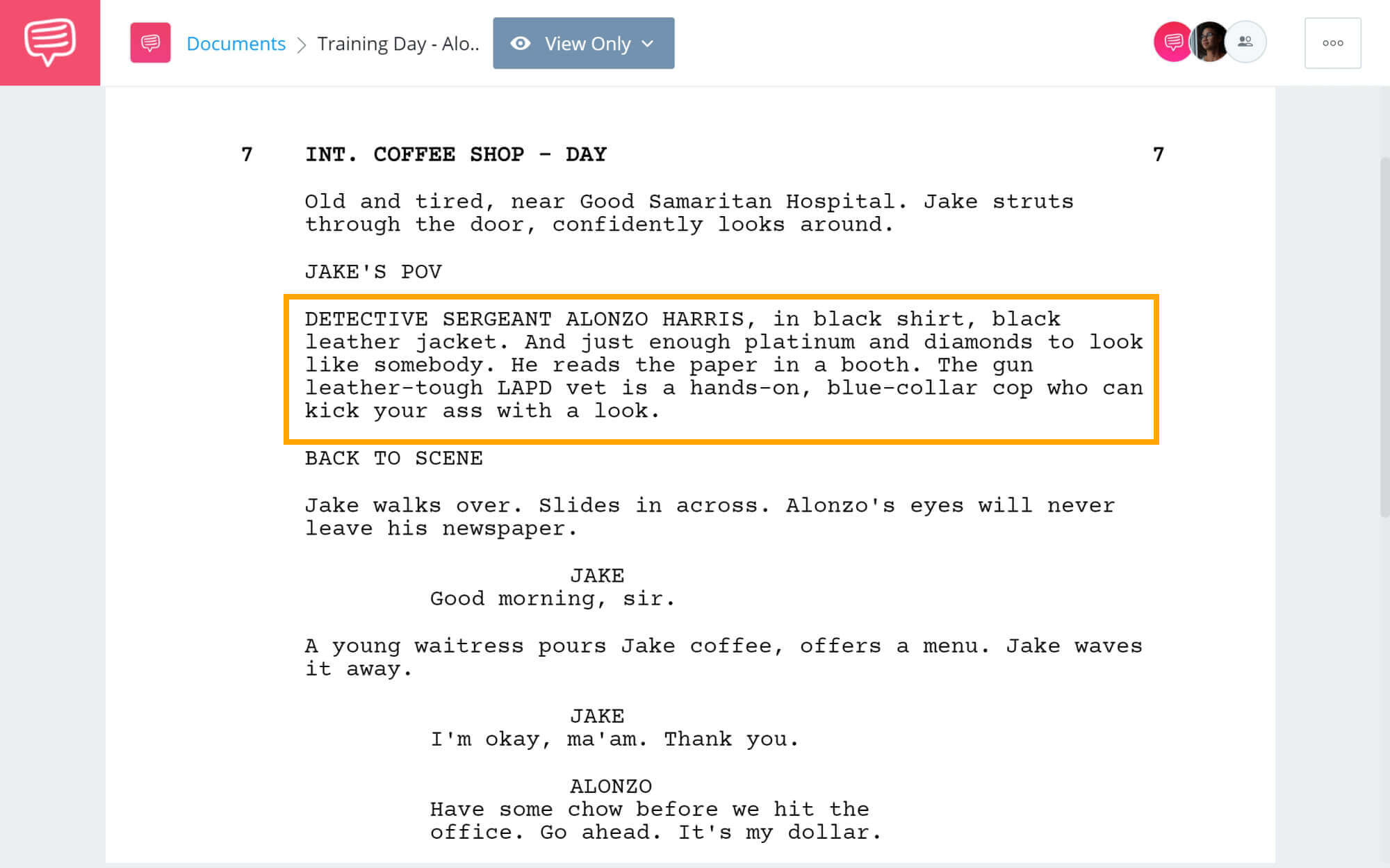
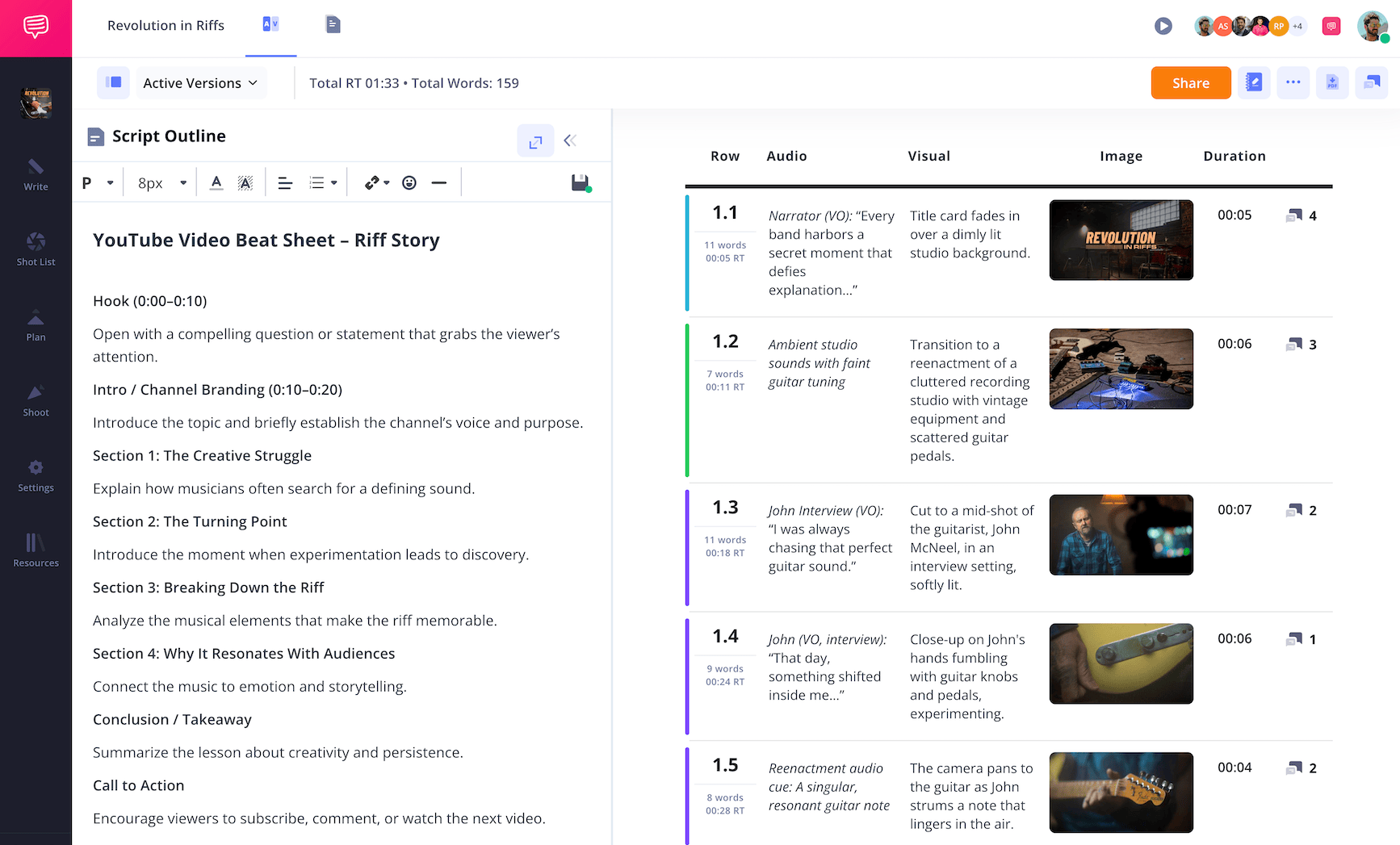
Sample AV script for YouTube video • StudioBinder AV Scripting Software
How to apply for YouTube Monetization
How to reach 4,000 watch hours faster
If you’re just starting your YouTube channel, 4,000 watch hours can feel like a daunting number to hit. However, if you’re serious about earning money and being a creator on the platform, there are techniques and guidelines to follow that can get you there faster.
1. Focus on longform content
This may seem obvious, but the longer your video is, the longer a viewer can watch. However, this doesn’t mean making hour-long YouTube videos. A study conducted by the platform published in Search Engine Journal found that the ideal long-form YouTube video length is 8-9 minutes. A video longer than 8 minutes also allows for mid-roll, or mid-video, ads once your channel is monetized.
2. Focus on building retention rates
Obviously, you want a viewer to watch every second of the video you painstakingly created and posted on YouTube. The creator studio provides handy metrics on viewer retention, but if you notice folks aren’t making it past the first 30 seconds of your video, you likely need to tighten your editing, remove filler, and create a stronger hook for your content.
Whether it's a YouTube video, movie or TV show, you'll need to hook your viewers. Watch out video essay that breaks down how to do accomplish it:
How to Hook an Audience
3. Leverage playlists, info cards and end screens
YouTube has in-video features like info cards, playlists and end screens that help seamlessly guide your audience into viewing more of your content and upping your watch time. Curating related videos and strategically linking to them has a two-fold benefit for your watch time. Not only does utilizing these tools promote your videos organically to your audience, but YouTube rewards content that keeps viewers on the platform for as long as possible, therefore boosting you in their algorithm.
4. Prioritize evergreen topics
Creating a viral video is like trying to bottle lightning. It can be very difficult, if not impossible. Therefore, if you’re seeking to grow your audience and watch time, concentrating on consistently making videos around evergreen topics is a much more sustainable way to meet the YouTube monetization thresholds.
Instead of trying to jump on trends, prioritize on creating videos that speak to common problems or desires, and have broad audience appeal. For instance, if you’re launching a filmmaking YouTube channel, focus on the foundation of what makes a good film rather than reviewing what’s hot at the box office.
Above all, focus on attention-grabbing, quality content with a strong point of view. A great first step is to learn how to plan a shoot with StudioBinder.
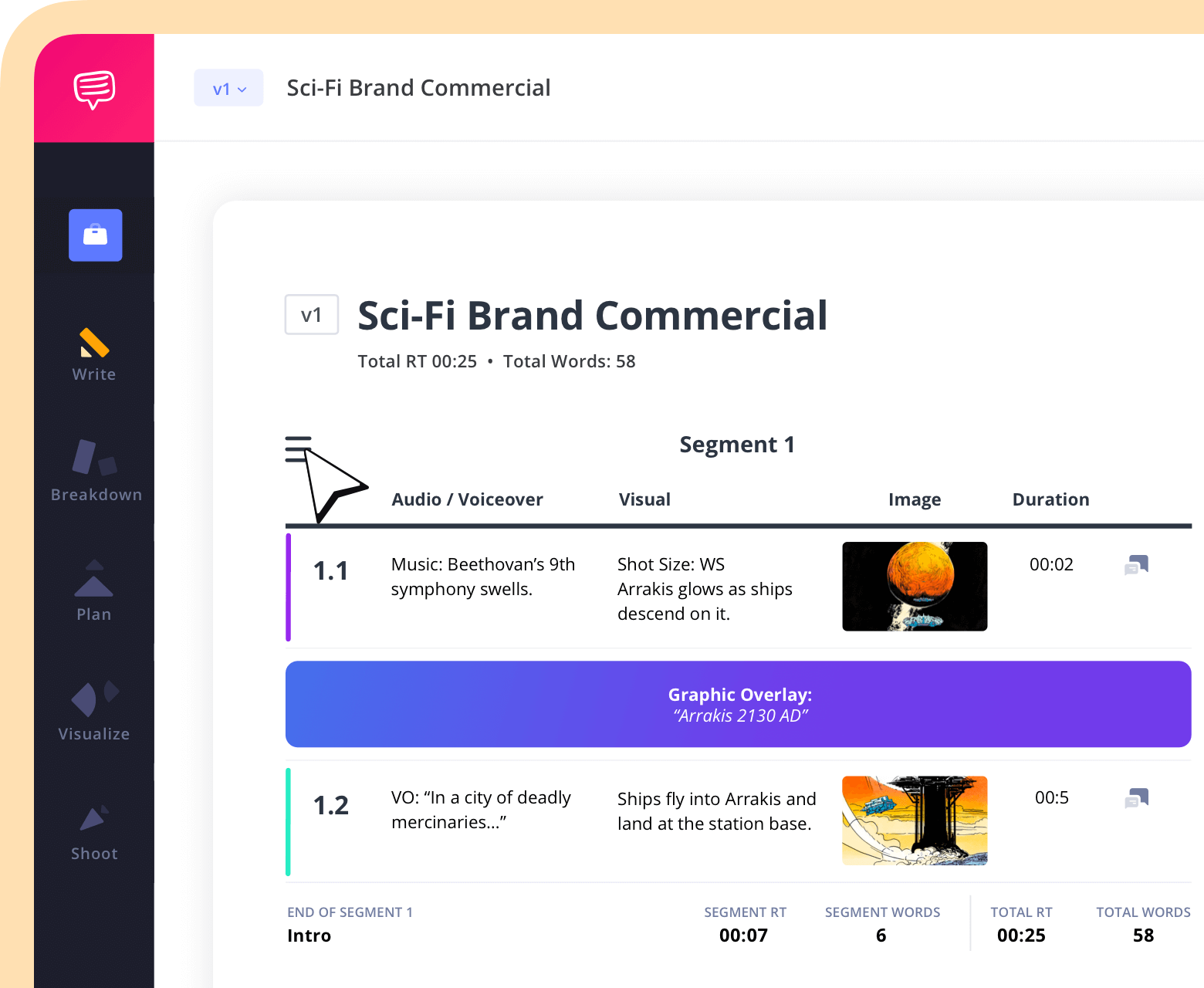
One of the biggest factors in reaching 4,000 watch hours is audience retention. Videos that are clearly structured and tightly scripted tend to keep viewers watching longer. Tools like StudioBinder’s AV scriptwriting and planning features help creators organize ideas, outline video beats, and maintain pacing before filming.
Trusted by over 1M creatives
AV scripts with built-in timing
Write in two-column format, track runtime, and share with version control
How to get monetized on YouTube
Common reasons monetization gets rejected
The most obvious reason that your channel can be rejected after the monetization review process is that it doesn't meet the subscriber, view, or watch hours requirements to be in the YouTube Partner Program.
Other common reasons include:
- Copyright issues
- Failing to meet community guidelines
- Not having “advertiser-friendly content”
- Misleading or spam-like practices.
YouTube is looking significant original value in a channel it monetizes, therefore, if your channel is made up of compilations of existing media, low-effort AI-generated videos, repetitive content with a “mass-produced” feel, it’s unlikely your YPP application will be approved.
Other red flags for YouTube include an incomplete channel identity, such as few uploads, missing profile photos, no channel description, and channels that only contain Shorts which are reposted and/or lack original commentary.
If you've noticed more channels have been getting demonetized, you can learn more about the industry changes (and trends) in this video:

What causes a YouTube channel to get de-monetized? How to Hook an Audience
Frequently Asked Questions
YouTube monetization FAQs
To get monetized on YouTube, you must apply and be accepted into the YouTube Partner Program (YPP). The YPP requires a channel to have 1,000 subscribers and 4,000 valid hours of public watch time for full monetization, and channel compliance with the Youtube monetization rules.
On monetized videos, creators receive 55% of the revenue from the ads that play before, during, and/or after their videos. On monetized YouTube Shorts, creators receive 45 % of the eligible ad revenue from a revenue pool that factors in music licensing fees and other expenses.
Making $1,000 on YouTube widely varies video type, niche, audience location, and monetization method. Long-form video creators typically earn $2-10 RPM (revenue per 1,000 views), therefore it can take anywhere from 100,000 to 500,000 views to make in ad revenue on the platform.
4,000 public watch hours is the required viewing time a channel needs to monetize on YouTube. Public watch hours mean that your video was set to public and appeared in the YouTube’s feed. Private, unlisted, and deleted videos don’t count toward public watch hours, nor do ad campaigns or YouTube Shorts. However, there are more requirements to be monetized on youtube beyond watch hours.
The YouTube Partner Program is the platform’s division that provides creators with resources, support teams, and most importantly, monetization pathways for their channels. Your channel must be accepted into the YouTube Partner Program in order to monetize your content.
Timelines to monetize YouTube largely depend on your growth rate. Some creators qualify within a few months, while others may take a year or more. Monetization approval typically takes 1–4 weeks once you apply to the YouTube Partner Program, provided your channel meets all eligibility requirements and policies.
No. Shorts watch time does not count toward the 4,000 public watch hour requirement. The YouTube Shorts monetization requirements are based on views instead of watch times, so Shorts creators must reach 10 million public Shorts views within 90 days to qualify via the Shorts path.
Yes, under YouTube’s expanded monetization tier. With 500 subscribers plus 3,000 watch hours or 3 million Shorts views, you can unlock limited features like channel memberships, Super Chats, and Super Thanks, but you will not receive any ad revenue.
Once your channel hits these metrics, you can apply to the YouTube Partner Program and monetize your channel. With these numbers, your channel is eligible for full monetization on the platform, including receiving a portion of ad revenue.
Common reasons that YouTube reject applications for monetization are that your channel violates the platform's reusable content policy, copyright issues, community guideline violations, or artificially inflated engagement. You can reapply to the program after 30 days if you correct the issues.
Yes, YouTube can de-monetize videos and channels. Channels can lose monetization if they violate policies, become inactive, or fail to meet ongoing eligibility standards.
You can access channel memberships, super chat/thanks, and other monetization features on YouTube with 3,000 public watch hours or 3 million public Shorts views. For full monetization and to receive ad revenue, your channel needs 4,000 public watch hours or 10 million public Shorts views.
To qualify to be monetized on YouTube, your channel needs to meet its subscriber and watch time/view requirements, reside in a country where the YouTube Partner Program is available, and have advanced features access on YouTube. You also must have no active Community Guideline strikes on your channel, 2-Step Verification enabled on your Google account, and an active Adsense for YouTube account linked to your account to receive payouts. o your channel
The 7-second rule is a widely used creator guideline on YouTube in which a viewer decides to keep watching any given video. It speaks to the importance of hooking a view as soon as possible in your content.
Your channel cannot be fully monetized and receive ad revenue on YouTube with 500 subscribers. Yet if you have 500 subscribers, 3 valid public video uploads in the last 90 days, along with 3,ooo valid public watch hours in the past 12 months or 3 million valid public Shorts views in the last 90 days, your channel qualifies for Early Expanded Access in the YouTube Partner Program. In this tier, you can utilize features like channel memberships, YouTube shopping, and super chats/super thanks.
UP NEXT
How to make a YouTube video
Though monetization on Youtube can seem tricky, the platform provides clear-cut guidelines and resources for creators to reach the all important subscriber and watch time/viewing counts. Now that you know what it takes to get your channel monetized on YouTube, it’s time to start creating! If you’re a beginner, or new to making videos for the platform, check out our complete guide to making a YouTube video. You’ll be monetizing in no time.
Up Next: How to Make a YouTube Video →

Share your vision with elegant shot lists and storyboards.
Create robust and customizable shot lists. Upload images to make storyboards and slideshows.