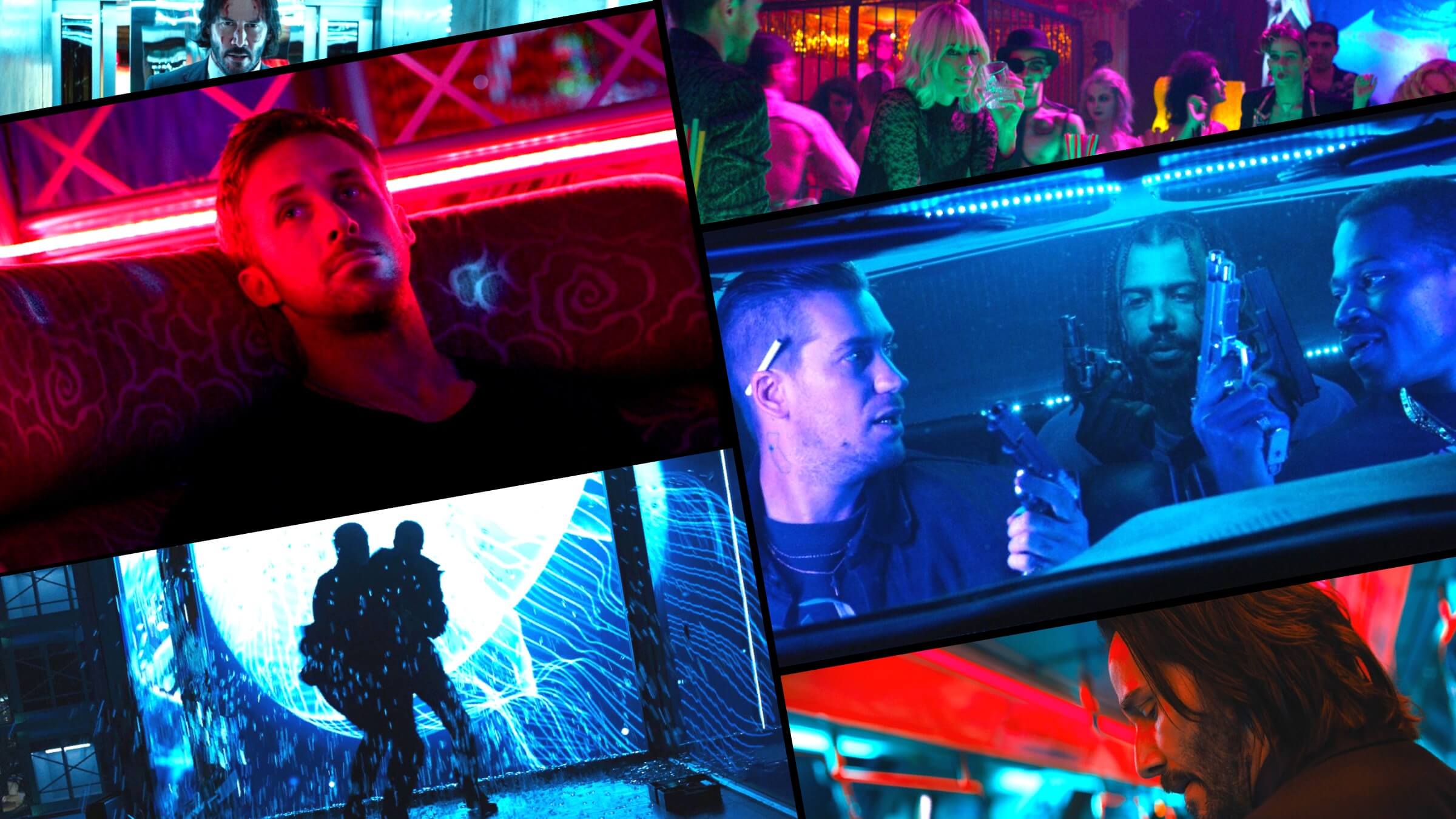
Do you have a futuristic setting? Are you maybe telling a classic noir style story? Or do you just want some cool lights for your music video? Look no further than neon cinematography, which can make any setting that much cooler–and brighter. In addition to definitions and examples, we will provide a guide for how to make the most of neon film lighting.
Neon light cinematography
Let's define neon cinematography
Before we go any further, let’s provide a definition of neon cinematography, which will include some history and characteristics about neon lights.
Neon Cinematography Definition
What is neon cinematography?
Neon cinematography prominently features neon lighting, along with dark shadows and reflections (glass, rain) to emphasize said lighting. Unlike other forms of colorful lighting, neon lighting is often seen in front of the camera and makes its physical presence known at all times.
Neon cinematography takes its inspiration from neon lights that have been around for over a century. From Times Square in New York City to Piccadilly Circus in London, many major cities have neon lights on display. The popularity of neon lights in the twentieth century means you can still find neon signs all over the world, often in business and entertainment districts.
Neon Cinematography characteristics:
|
Neon cinema
Why neon lighting works so well on camera
Neon lighting and neon cinematography work so well due to the way the lights shine and reflect. It may sound obvious, but since camera lenses are often made of glass, the neon lights will always be bright and striking. Add a few more reflective surfaces and you have neon cinematography that everyone will notice.
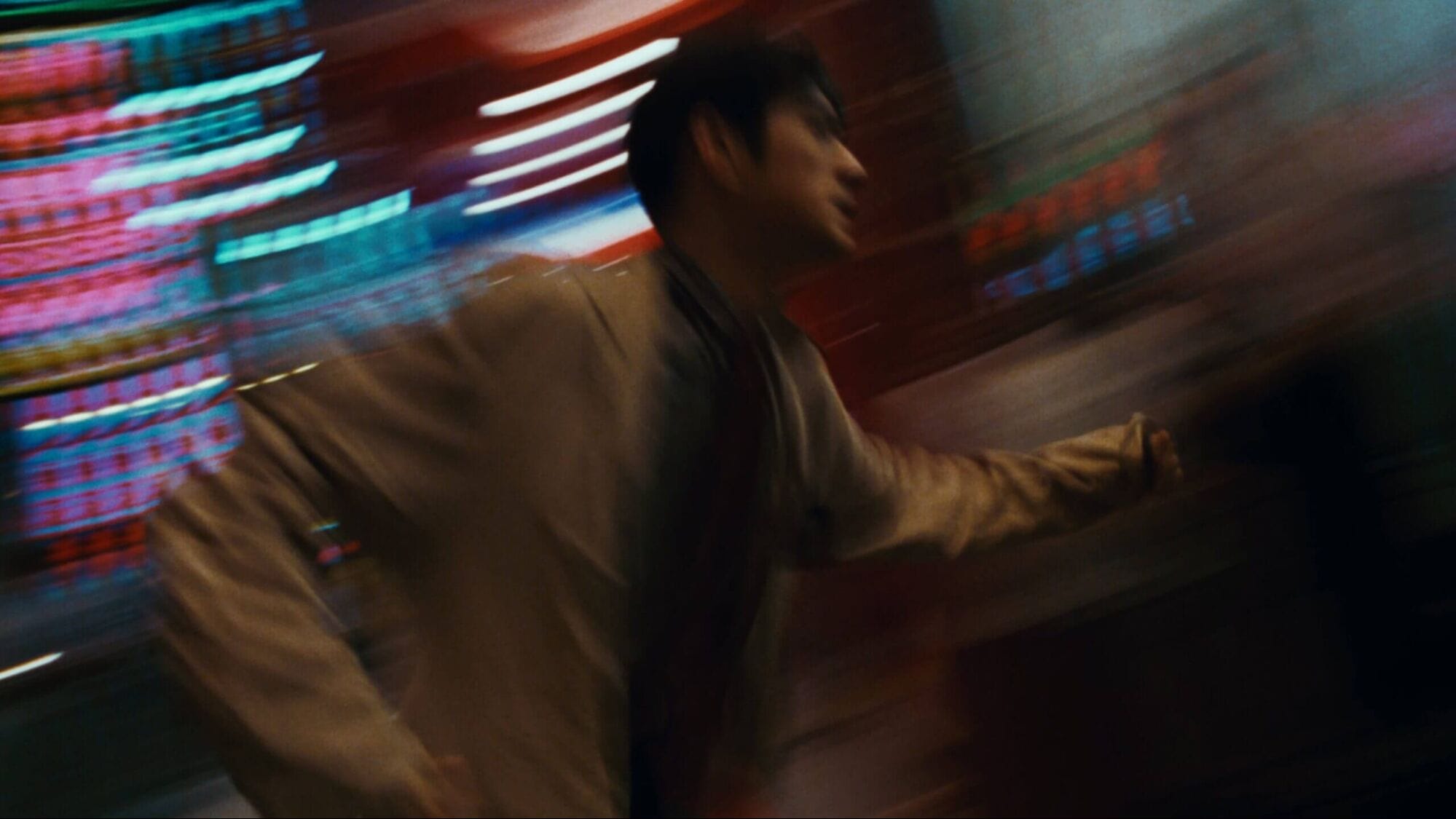
Neon blur effect | Chungking Express
Neon lighting in film can emphasize strong emotions in a scene, in addition to highlighting something important. Motivated lighting with neon cinematography can help accentuate strong emotions in a scene or help make something stand out via lighting. The Blade Runner lighting provoking emotions of futuristic melancholy is a great example of this.
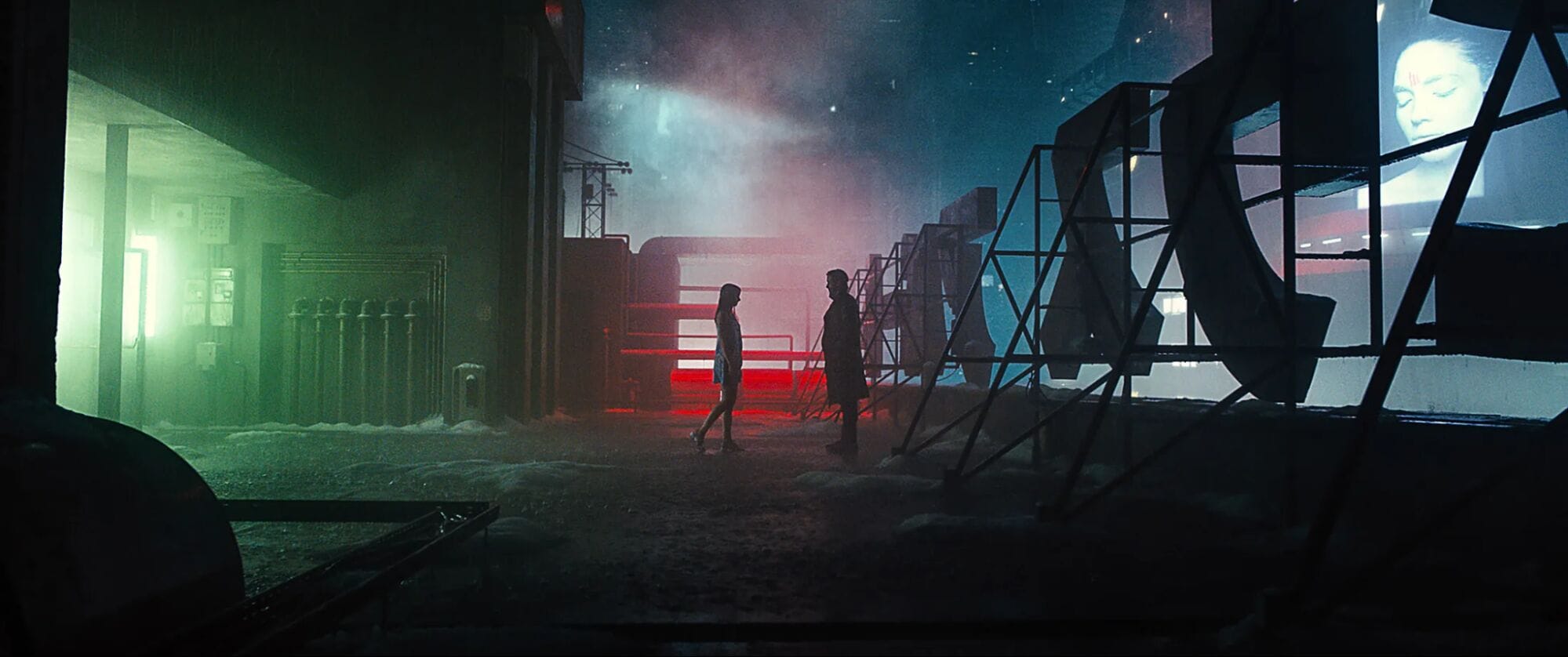
Neon company scene | Blade Runner 2049
Neon lighting techniques often help create a specific type of atmosphere, which is something that can be seen in classic film noir films and more modern neo-noir films. In some of these cases, the neon cinematography is there to set a mood or a scene just from the lighting alone. And sometimes, it’s just nice to know exactly where we are in the scene, which a neon sign makes loud and clear (‘neon coming soon’ if you will).
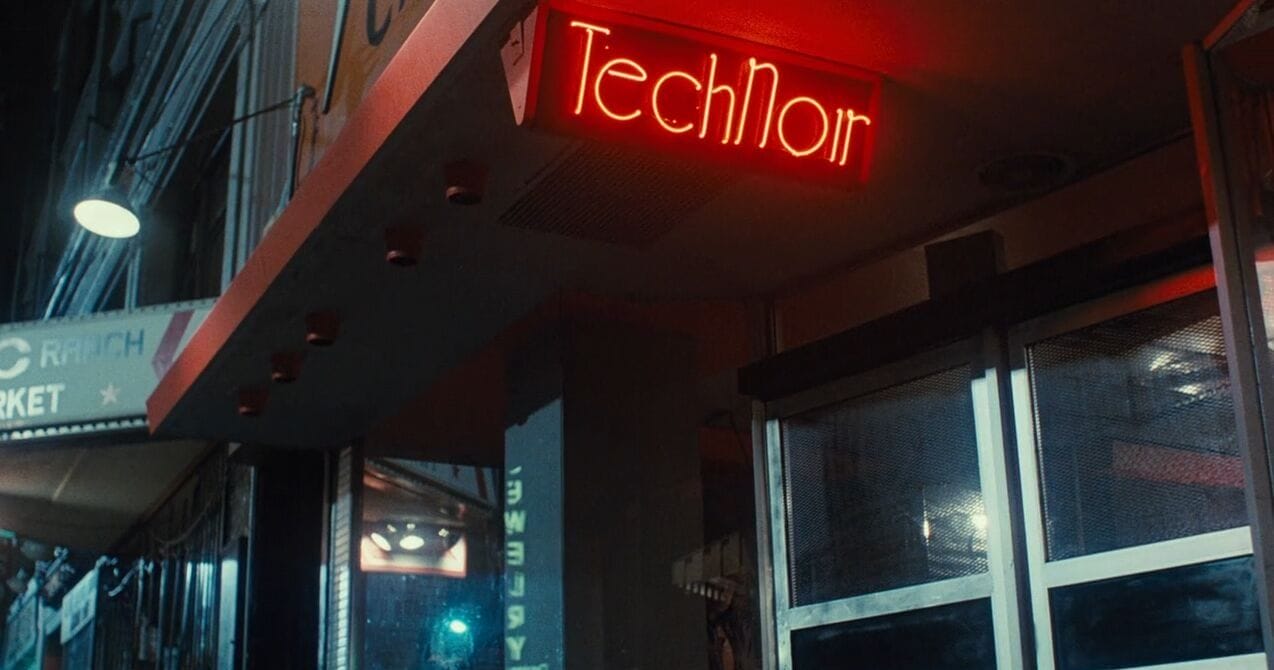
Neon sign style | Neon (2025)
Related Posts
Movie neon lights
The history of neon lighting in film
While the twenty-first century made neon visuals arguably more lush and beautiful than ever before, the evolution of this style is fascinating to track. Below is a chart showcasing how hardboiled fiction started a snowball effect that led straight to the kind of Drive neon cinematography that audiences can’t get enough of today.
Year | Movie Genres |
|---|---|
1920s-1930s | The beginnings of hardboiled fiction, featuring detectives, mysterious women, and dangerous situations. Started as literature before making its way into comics. |
1940s-1950s | Film noir starts up, being influenced by hardboiled fiction. After World War II, stories inspired by post-war malaise entered the scene, as well. Shadows and lights are a major visual component of the genre. |
1970s-1980s | After a decade of mainstream absence, film noir returns, darker and edgier than before. Lights and shadow continue to be a major influence, in addition to color. |
1980s-2000s | Neo-noir continues, showing off colorful neon in seedy spaces. Cyberpunk began around the same time, ushering in a major wave of neon influenced sci-fi noir stories. Neon, in general, reigned supreme during the 1980s and into the ‘90s. |
2000s-present | Neon lighting finds its way into music videos, being influenced by the lighting of noir and science-fiction from the 1980s and beyond. |
Neon Color Cinematography
6 iconic examples of neon cinematography in film
Now let’s jump into some of the most unmistakable and iconic looking neon films throughout Hollywood history. From the dower neon futurism of Blade Runner, to the Neon Demon cinematography that practically thrusts the viewer into an alternate dimension, take note of these truly creative uses of neon cinematography.
1. Blade Runner
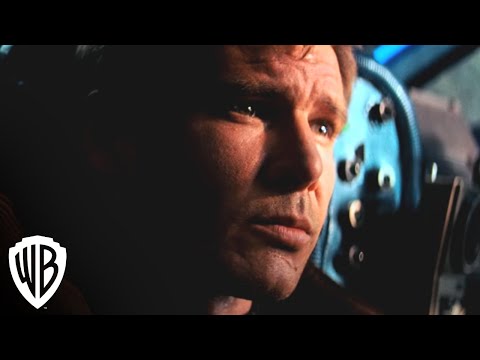
An iconic neo-noir and major influence on the cyberpunk sub-genre, Blade Runner (1982) is full of neon lighting. It is an example of a futuristic setting with neon noir cinematography, being set in a dystopian and futuristic (at the time) 2019 Los Angeles. With its grounding of a perpetually dark city, the film features artificial lighting in nearly every scene. This is most present during street scenes, including the beginning and ending of the film.
Black Runner Final Cut Trailer
2. Drive
Writer-Director Nicolas Winding Refn is a lover of neon lighting, as can be seen in Drive (2011). This film utilizes neon cinematography to enhance its settings, atmosphere, and look. The Drive neon cinematography really stands out in its blending with an unforgettable and immersive score.
3. Only God Forgives
Another Neon-soaked film from Nicolas Winding Refn is Only God Forgives (2013). As you can see in the hyper stylized trailer, this film especially makes strong use of neon lighting, since it’s set within the nighttime streets of Bangkok, Thailand.

Only God Forgives Trailer
4. Chungking Express
Director Wong Kar-wai has often employed neon lighting in many of his films. One prominent example of neon cinematography in his filmography is Chungking Express (1994). This film is set in Hong Kong, with most of the action taking place during the evening. This film takes a more “organic” approach to neon cinematography by simply letting it blend in as part of the setting and scenery.
5. Fallen Angels
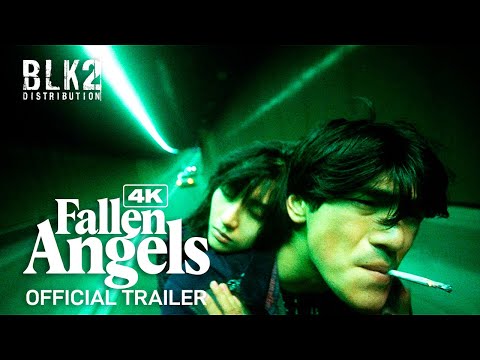
Fallen Angels (1995) is another film from director Wong Kar-wai, and it’s also set within the Hong Kong night. Since Kar-wai is a very stylish filmmaker, his film takes advantage of all the surrounding artificial lighting in a creative and artistic way. Just as well, Slow motion shots and the nighttime settings ensure the neon lighting stays ever present.
Fallen Angels Trailer
6. Neon Demon
Nicolas Winding Refn expanded on his neon-drenched directing style with The Neon Demon (2016). The Neon Demon cinematography makes heavy use of red and blue coloring to create a surreal atmosphere. Visions of both existentialism and glamour emerge from the blending of these colors with high contrast and slow motion. The Neon Demon cinematography is meant to help audiences detach from typical narrative structure to enter into a dreamlike world of exaggerated beauty and death.
Neon cinematography and Anime
While anime doesn’t necessarily have a direct influence on practical neon cinematography, they’re often associated with one another for their reality transcending and color-driven aesthetic. Modern filmmakers have been drawn to anime influence and vice versa. From the Neon Genesis Evangelion cinematography style, to the surreal lighting of Perfect Blue, see if you can recognize such imagery in modern Hollywood cinematography with the video below.

Neon Genesis Cinematography Inspiration
Related Posts
Neon circle light for cinematography
How to shoot neon lighting in 5 steps
If you’re looking to bring neon light cinematography to life for your own cinematic vision, we have you covered. Below is a straightforward breakdown of the steps to take when capturing that neon cinematic look you’re picturing.
- Control Exposure: Make sure your camera is steady (tripods help) and that it’s receiving plenty of light (just watch for highlight clipping). You will want a camera with a wide aperture and fast lenses or film stock. And make sure there is not too much (or any) underexposure.
- Dial in Camera Settings: In addition to a high ISO (400, 800, 1600), you want to make sure you’re using a low f-stop. Your choice of shutter speed will depend on what look you’re aiming for. Faster shutter speed to avoid blurring, lower if blurring is what you’re after.
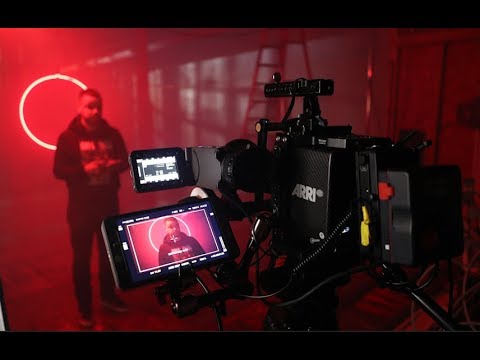
- Use Practical Light Sources: Practical lighting is important for light bloom and atmospheric haze. Make sure your sources for neon lights are literal neon lights. If you can’t get a hold of neon lights, LED lights are an excellent alternative. While plenty of neon signs still exist, LED lighting has grown in popularity over the years. Both real deal neon and newer LED lights can present a similar and comparable effect. A neon circle light for cinematography is often used for videos on a budget as well.
- Add Atmosphere: You can make your neon light cinematography more atmospheric by adding rain, haze, smoke, and reflections. There are any number of ways to make this work, so feel free to experiment and see which combination works for you.
- Compose for Contrast: Make sure your subject is in the foreground and clearly seen. Depending on what you want to capture, you can emphasize reflections, silhouettes, or negative space in the frame.
How to shoot a music video with neon lights
Drive neon cinematography
Film vs digital: Which handles neon lighting better?
Filmmakers have been debating the use of film or digital cameras for quite some time now. The Drive neon aesthetic really stands out when it comes to digital. But then again, Blade Runner was shot on film and still defines neon cyberpunk visuals in a big way. Take a look at the chart below to weigh the two filmmaking approaches for yourself.
Film | Digital | |
|---|---|---|
Dynamic Range | Strong highlight retention and shadow detail. Handles neon naturally without intense clipping. | High range and strong shadow handling. Handles neon well but highlights can clip if they are overexposed. |
Halation | Celluloid film captures neon lights with a soft glow thanks to natural halation. | No natural halation, resulting in sharper and harder neon lighting. |
Highlight Roll-Off | Smoother and softer due to organic material. | Sharper but harsher roll-off. |
Flexibility | Limited in what can be captured and how it can be captured. | Many elements can be worked on both during filming and in post-production, such as highlights, color balance, and exposure. |
Cost | More expensive in the long run, due to using film stock and processing the film. | Less expensive overall, from the camera to the software for putting together footage. |
Neon demon cinematography
Budget-friendly ways to create a neon look
Neon lights are not always the easiest light source to get ahold of, but there are a number of ways to create neon cinematography on a budget.

Lighting setup options with colored LED lights
LED lights are probably the most common light source that is similar to neon. In many ways, LED lights are the new neon style lighting source, as they have often replaced a lot of neon lighting from the past. LED lights are an especially good choice if you’re looking to emulate the look of physical neon light structures.
RGB lights are another alternative, as they can give off that neon glow. Just keep in mind that RGB lights are not usually displayed the same way neon or LED lights are. If your main aim is to light up a room with a neon style glow, then RGB lighting should work.
Using LED Lights
Since they’re so similar to neon lights, LED lights can serve as both a visual and physical alternative. Even if your goal is to make it seem like you have neon lights, LED lights can get the job done, too. LED lights tend to have the same look as neon lights, just with a different construction and wattage.
Neon aesthetic film
What are common mistakes to avoid with neon cinematography?
When considering an approach to neon cinematography, it’s always helpful to make sure your camera and lighting is equipped to bring all those colors to life in the best way possible. Below are some common mistakes to get ahead of before the neon shooting starts.
- Blown highlights: This can be avoided if you check your camera sensor and make sure your dynamic range is properly balanced, i.e. no clipping or extreme range on either end.
- Flat lighting: While fine for some things, flat lighting should be avoided if you want to make the most of your neon cinematography. Make sure you’re taking advantage of your light source and emphasizing the neon (or equivalent light source) in your shot.
- Over saturation: This can be avoided both on-camera and in post-production. When shooting, make sure your lighting is not too harsh or that you’re going overboard with it. In post-production, you want to ensure all colors and lighting are as balanced as possible.
- Poor white balance: This is related to color grading and can be taken care of in post-production. You basically do not want your image to look washed out; proper white balance will ensure the colors in your shot are rich and full.
Cyberpunk lighting style
Color grading neon footage
Color grading is a vital part of post-production, and neon footage is no exception. If you’re an editor or working with an editor to get the right coloring on your neon footage, here are a handful of tips to consider.
Avoid oversaturation
Make sure your footage is not oversaturated (unless that’s a deliberate choice); this can impact not only the overall image, but skin tones and every other color in the shot.
Balance your subjects
On the subject of skin tones, make sure every person in your shot is looking exactly the way you want them to. Neon lighting can obviously change the way a person is lit, so make sure everything is balanced out correctly.
Avoid clipping
Avoid clipping at all costs–unless, of course, you want it to look clipped. Otherwise, make sure your footage is as sharp as possible without clipping or bleeding. This can truly make a shot look worse and even amateurish, so unless it’s intentional, make sure there is no clipping in your neon cinematography.
Neon cinematography
Neon cinematography checklist
Consider the below questions regarding capturing neon cinematography before you start shooting:
- Do you have all the equipment you need for the shoot?
- Are your light sources ready to be shot?
- Is your camera tuned to the optimal setting for shooting neon lights?
- Do you have the best ISO settings for the shoot?
- What shutter speed setting do you have set on your camera?
Related Posts
Frequently Asked Questions
Questions about neon light cinematography
Underexpose your subject so that the neon does not look blown out. You can also monitor clipping with waveform monitors.
Shooting on film produces natural halation, which is a soft glow around neon light sources. Shooting digitally produces a harsher neon look, but you have more control and flexibility when shooting.
Some films that are known for their neon cinematography include Blade Runner, Blade Runner 2049, Drive, Only God Forgives, The Neon Demon, Chungking Express, and Fallen Angels.
Yes, with LED and/or RGB lighting and post-production techniques.
Neon lighting uses strong color contrasts and light sources within the frame, resulting in visually dynamic and striking imagery. These elements can enhance the mood and atmosphere of an image or shot.
UP NEXT
Film lighting techniques
Now that you’ve read about neon cinematography, take a look at some Film Lighting Techniques. Our article covers a variety of examples that will help you get a cinematic look. We also have a definition, video links, and plenty of visual aids.
Up Next: Film Lighting Techniques →

Share your vision with elegant shot lists and storyboards.
Create robust and customizable shot lists. Upload images to make storyboards and slideshows.